

Emission Targets and Quotas
Countries and companies set a total amount of greenhouse gases that can be emitted into the atmosphere over a specific period. This creates a liability for those who exceed the established emission quota.

Carbon trading is a trading mechanism that has emerged as a solution for reducing greenhouse gas emissions worldwide. Essentially, it involves the buying and selling of emission rights by promoting activities that reduce or absorb greenhouse gas emissions. Here are the main components of carbon trading:

Countries and companies set a total amount of greenhouse gases that can be emitted into the atmosphere over a specific period. This creates a liability for those who exceed the established emission quota.

Those who exceed the established quotas have the opportunity to buy and sell emission rights with those who hold them or to balance their quotas by acquiring emission credits. Emission credits represent the reduction of one ton of CO2 equivalent greenhouse gas emissions.

Carbon trading takes place in a market where emission rights and credits are bought and sold. This trading typically occurs between companies operating in the private sector or from one country to another.

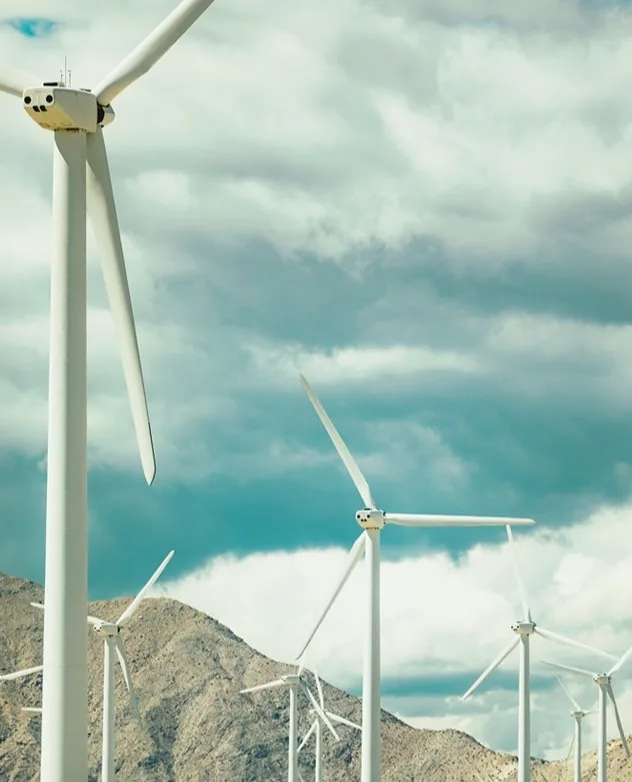
Carbon trading provides financing for sustainable projects that reduce or absorb greenhouse gas emissions. These projects may include areas such as wind energy, energy efficiency, and forest conservation.

Carbon trading is viewed as an effective tool in the fight against global climate change. Companies and countries can control their emissions while simultaneously investing in sustainable projects, thereby reducing their environmental impact.
Carbon trading plays a significant role in the global effort to achieve climate targets. With the growing awareness of sustainable development and environmental responsibilities, carbon trading is becoming an increasingly adopted strategy.
The Verified Carbon Standard (VCS) is an international standard that verifies and certifies projects aimed at reducing greenhouse gas emissions. Operating since 2006, VCS has a global impact by encouraging real, measurable, and permanent emission reductions.
The Gold Standard is a sub-standard of the Verified Carbon Standard (VCS), also operating since 2006. It is designed for VCS-certified projects that meet the highest, most rigorous standards. Gold Standard certified projects not only reduce greenhouse gas emissions but also provide social and environmental benefits.

is an international standard related to electricity generation from renewable energy sources. Operating since 2011, IREC has a global impact by promoting clean energy use and increasing investments in renewable energy sources.